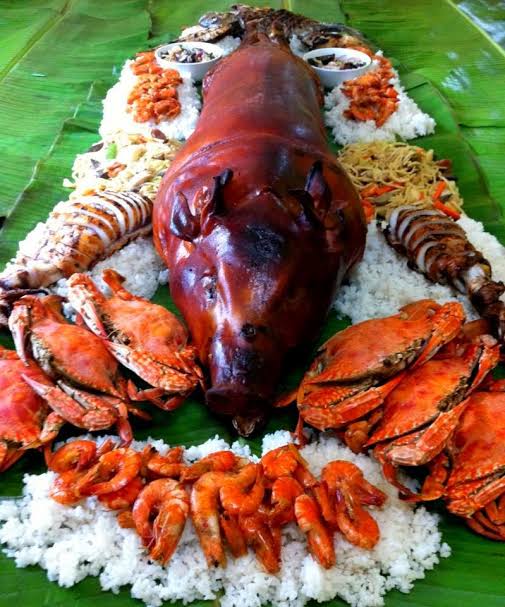
Vegetables

Ginisang Monggo

Main course is the featured or primarily dish in a meal consisting of several courses. It is usually the heaviest and the most complex or substantial dish on the menu.
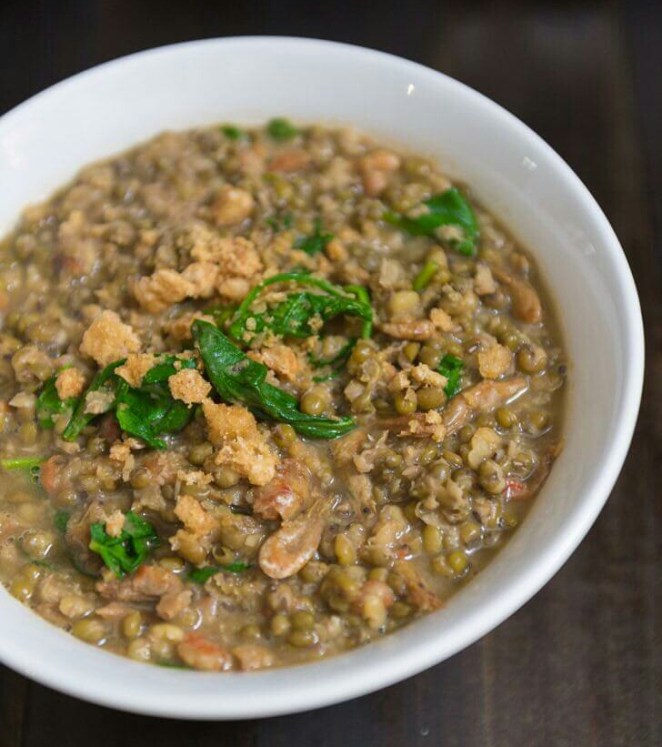
Ginisang monggo is a popular mug bean dish in the Pihilippines. The main ingredients is sauted mug beans seed and it is complemented by different flavors from meat, seafood, and vegetables.

Ingredients:

1 cup whole monggo beans

4 cups of water

2 tablespoons of vegetable cooking oil

5 cloves of garlic, minced

1 piece medium-sized onion, chopped

3 pieces medium-sized tomatoes, chopped

1/4 kilo pork strips

2 pieces pork cubes

1/4 cup ampalaya leaves (optional)

1 cup malunggay leaves

1/2 cup crushed pork chicharon (for toppings)

Procedure:

(1) Wash the seeds first and soak it in water for about 1 hour to soften them and to take it less time to cook.

(2) Once your beans are soft enough, saute the garlic, onions and tomatoes in a saucepan for about 2 minutes or more to achieve caramelization.

(3) Once caramelized, put the pork strips and saute it until nicely browned.

(4) Drain the beans and add it into the pot. Pour 4 cups of water and add the pork cubes. Let it simmer until the beans are easily mashed. Add salt to taste.

(5) Add the ampalaya leaves and cook for 2 minutes before adding the malunggay.

(6) Serve it hot with rice and topped it with crispy chicharon. Enjoy!
Appetizer · Lumpia (Spring Rolls)

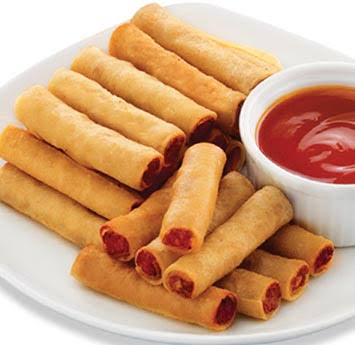
Lumpiang Shanghai (Filipino Spring Rolls)

Appetizers are the first course of a meal traditionally known as hors d’ oeuvre. The appetizers consists of food items served before the main courses of a meal. Appetizers may also served as a part of the main course, a little more than snacks, or they may be served before sitting at the table.

image

Lumpiang shanghai (Filipino Spring Rolls) is a Filipino deep-fried appetizer consisting of a mixture of giniling (ground pork) wrapped in a thin egg crěpe. It is regarded as the most basic type of lumpia in Filipino cuisine. It is usually smaller and thinner that other lumpia variants. It is commonly served woth sweet and sour or catsup dipping sauce.

Prep Time: 15 minutes (depends on quantity)

Cook Time: 10 minutes (depends on quantity)

Ingredients:

50 pcs. lumpia wrapper

3 cups cooking oil

Filling Ingredients:

1 1/2 lbs. ground pork

2 pcs. onion, minced

2 pcs. carrots, minced

1 1/2 teaspoons garlic powder

1/2 teaspoon ground black pepper

1/2 cup parsley, chopped

1 1/2 teaspoons salt

1 tablespoon sesame oil (optional)

2 eggs

Procedure:

(1) Combine all filling ingredients in a bowl. Mix well.

(2) Scoop around 1 to 1 1/2 tablespoons of filling and place over a piece of lumpia wrapper. Spread the filling and then fold both sides of the wrapper. Fold the bottom. Brush beaten egg mixture on the top end of the wrapper. Roll-up until completely wrapped. Perform the same step until all mixture are consumed.

(3) Heat oil in a cooking pot. Deep fry lumpia in medium heat until it floats.

(4) Remove from the pot. Let excess oil drip. Serve while hot.

Philippine Cuisine

“Food is Life” in the Philippines

The Philippines, officially the Republic of the Philippines is an archipelagic country in Sountheast Asia. It consists of about 7, 641 islands that categorized broadly under three main geographical divisions from north to south: Luzon, Visayas and Mindanao.

Philippine culture is a combination of Eastern and Western cultures. The Philippines exhibits aspects found in other Asian countries with a Malay heritage, yet its culture also displays a significant number of Spanish and American influences.

Filipino cuisine has evolved over several centuries from its Malayo-Polynesians origins to become mixed cuisine with many Hispanic, Chinese, American and other Asian influences that have been adapted to local ingredients and the Filipino palate to create a very simple, like a meal of fried salted fish and rice, to the elaborate, created for fiestas.

image